In emergency situations, every second counts, especially when it comes to saving a life. One of the most critical skills anyone can learn is CPR, specifically compression-only CPR. This streamlined approach to cardiopulmonary resuscitation has been credited with increasing survival rates in cardiac arrest cases. But what exactly makes compression-only CPR so effective? In this blog post, we will delve into the numerous benefits of this life-saving technique and explore why it’s becoming a preferred method in emergency response scenarios. Stay with us as we uncover the science behind compression-only CPR and how you can equip yourself with the knowledge to make a difference when it matters most. For more information on emergency response training, visit the American Red Cross.
What is Compression-Only CPR?
Compression-only CPR is a simplified form of cardiopulmonary resuscitation that emphasizes continuous chest compressions without incorporating rescue breaths. Here are five key aspects of this life-saving technique:
1. Simplicity and Accessibility: Unlike traditional CPR, which requires a combination of chest compressions and mouth-to-mouth breaths, compression-only CPR focuses solely on chest compressions. This simplicity makes it more accessible for bystanders who might be hesitant due to lack of training or fear of performing rescue breaths.
2. Increased Willingness to Act: Studies show that bystanders are more likely to perform CPR when it’s compression-only, reducing hesitation and increasing the chances of immediate action. This willingness is crucial in emergency situations where time is of the essence.
3. Effective Blood Circulation: The continuous chest compressions in compression-only CPR are designed to maintain blood circulation to vital organs. This technique can be particularly effective in the initial minutes following cardiac arrest, sustaining oxygenation until professional medical help arrives.
4. Scientific Backing: Research supports that compression-only CPR is as effective as traditional CPR for adult cardiac arrest cases occurring outside of hospitals. The American Heart Association endorses this approach for untrained bystanders, emphasizing its role in increasing survival rates.
5. Easy to Learn: With its focus on chest compressions, compression-only CPR is straightforward to learn and remember. Training courses, such as those offered by CPR Certification New York City, provide individuals with the skills necessary to perform this technique confidently and efficiently, empowering more people to make a difference in emergencies.
Key Advantages of Hands-Only CPR
1. Promotes Quick Response: One of the primary advantages of hands-only CPR is the speed with which bystanders can initiate the response. The elimination of rescue breaths simplifies the process, allowing individuals to act swiftly and decisively, improving the victim’s chances of survival in the critical moments following cardiac arrest.
2. Reduces Barrier to Participation: Many potential rescuers experience discomfort or fear regarding mouth-to-mouth contact. Hands-only CPR removes this barrier, encouraging more people to participate in life-saving efforts. This increased participation is pivotal in enhancing community response rates during emergencies.
3. Enhances Blood Flow: Consistent with its focus on chest compressions, hands-only CPR is highly effective at maintaining blood flow to vital organs. This technique ensures that oxygenated blood continues to nourish the brain and heart, bridging the gap until professional medical help is available.
4. Endorsed by Health Organizations: Major health organizations, such as the American Heart Association, advocate for hands-only CPR when an untrained bystander is present. Their endorsement underscores the method’s efficacy and reliability, making it a trusted approach in emergency scenarios.
5. Easily Accessible Training: Numerous resources are available for learning hands-only CPR, from local community classes to online tutorials. For those interested in obtaining certification, the CPR Certification Online HQ offers comprehensive courses that equip individuals with the necessary skills, ensuring they are prepared to act confidently in any emergency.
How Compression-Only CPR Saves Lives
Compression-only CPR is a transformative approach in emergency medical response, offering a practical solution that has demonstrably saved lives. By focusing exclusively on chest compressions, this technique ensures that crucial blood flow is maintained, providing vital support to the heart and brain during the initial critical moments of cardiac arrest. This focus on sustained circulation is essential, as it buys time for the arrival of professional medical help, a factor that can make a significant difference in survival outcomes.
Understanding the Mechanism: The core of compression-only CPR lies in its ability to manually pump the heart, propelling oxygen-rich blood to essential organs. This continuous compression is particularly effective in the minutes following cardiac arrest, a period where timely intervention is crucial. The simplicity of the method allows bystanders to perform CPR without delay, minimizing the interruption in blood flow that can lead to decreased survival rates.
Encouraging Widespread Adoption: The straightforward nature of compression-only CPR encourages more individuals to participate in life-saving measures. The absence of rescue breaths eliminates barriers such as fear of infection or discomfort, making it more likely for untrained bystanders to step in confidently. This increased participation is critical in enhancing community preparedness and response rates during emergencies.
Backed by Research and Recommendations: The American Heart Association and similar health organizations advocate for the use of compression-only CPR by untrained rescuers, underscoring its effectiveness and reliability. Research has consistently shown that this approach can be as effective as traditional CPR in certain situations, especially when administered promptly.
Empowering Through Education: With the growing recognition of its benefits, there are numerous opportunities for individuals to learn compression-only CPR. Training resources are readily available, from local workshops to online platforms, such as the CPR Certification Online HQ, which offer comprehensive courses to equip individuals with the necessary skills. By embracing these educational opportunities, more people can become empowered to act in emergencies, potentially saving countless lives.
Tips for Mastering Hands-Only CPR Techniques
Mastering hands-only CPR can be a life-saving skill that equips you to act confidently in emergencies. With its focus on chest compressions, this method simplifies the traditional CPR process, making it accessible even to those without formal medical training. Here are some tips to help you perfect your hands-only CPR technique and be prepared to make a difference when every second counts.
1. Understand the Basics: Start by familiarizing yourself with the core principle of hands-only CPR,continuous chest compressions. Remember, the goal is to maintain blood flow to vital organs until professional help arrives, as highlighted in our previous discussions on the importance of sustained circulation.
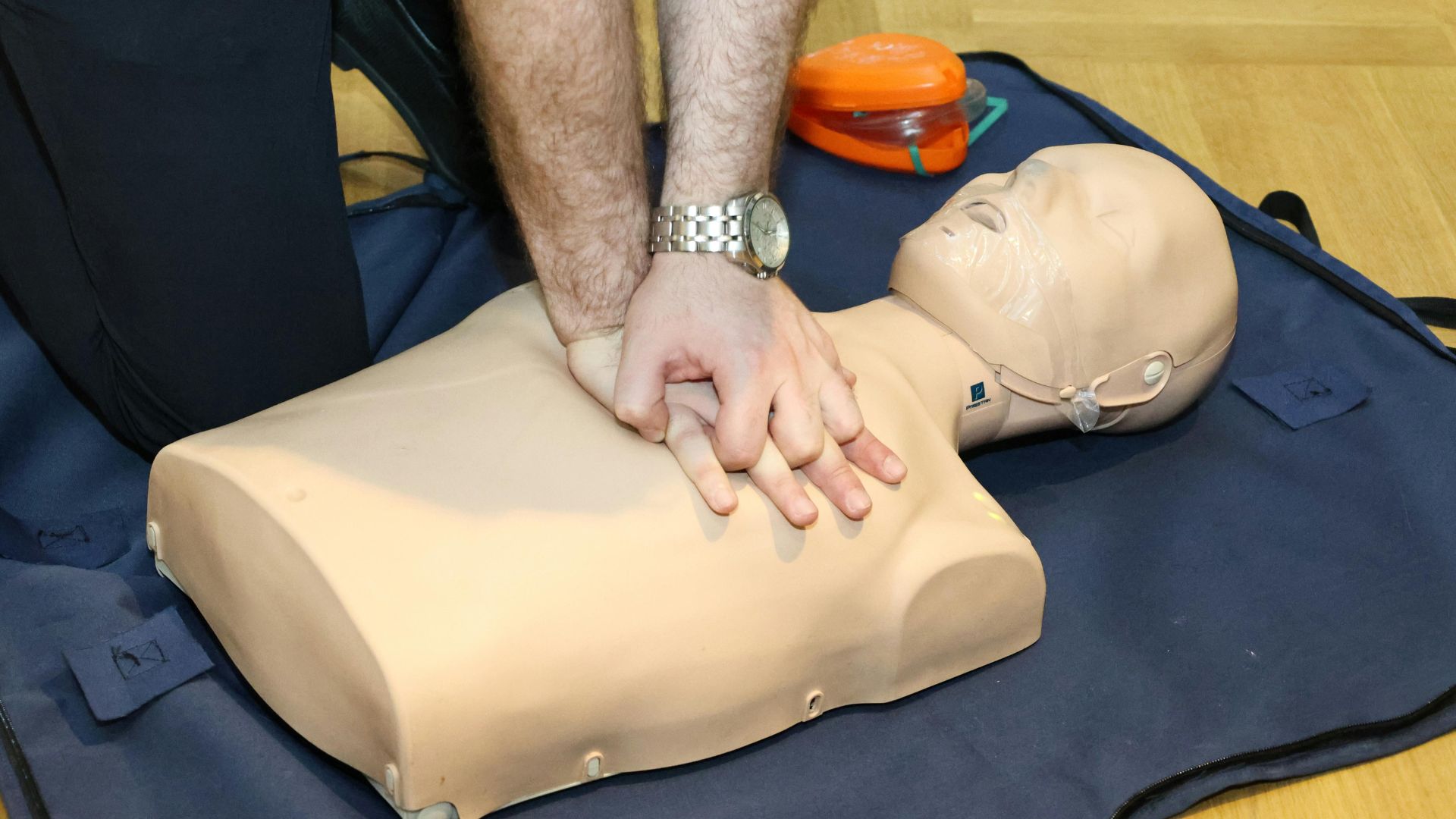
2. Practice Proper Hand Placement: Effective chest compressions require correct hand placement. Position the heel of one hand on the center of the victim’s chest, with the other hand on top. Interlock your fingers and keep your elbows straight to ensure firm, consistent compressions.
3. Maintain the Right Rhythm: The recommended rate for chest compressions is 100 to 120 beats per minute. A practical tip is to compress to the beat of a familiar song like “Stayin’ Alive” by the Bee Gees, which matches this tempo.
4. Ensure Adequate Depth: Aim for a compression depth of at least 2 inches for adults, allowing the chest to fully recoil between compressions. This depth is crucial for ensuring effective blood flow, a point emphasized in our discussion of enhanced blood circulation.
5. Stay Calm and Focused: In the stress of an emergency, maintaining composure can significantly impact your effectiveness. Take deep breaths and concentrate on delivering consistent and accurate compressions.
6. Seek Professional Training: While hands-only CPR is designed for simplicity, formal training can enhance your confidence and skill level. Consider enrolling in a course through CPR Certification New York City to gain hands-on experience and expert guidance.
By mastering these techniques, you can play a critical role in emergency response efforts, potentially saving lives and contributing to community safety. Remember, the more prepared you are, the greater your impact can be in those crucial minutes following a cardiac arrest.
Final Thoughts On Compression-Only CPR
Compression-only CPR stands as a vital skill that can significantly impact survival rates during cardiac emergencies. Its simplicity and effectiveness make it an accessible option for bystanders, ensuring that blood flow is maintained until professional help arrives. By focusing exclusively on chest compressions, this method reduces barriers to action, encouraging more people to respond swiftly and confidently in critical situations.
As we’ve explored, the benefits of hands-only CPR are backed by scientific research and endorsed by major health organizations, highlighting its reliability in emergency scenarios. The straightforward nature of this technique means that anyone, regardless of medical training, can learn and perform it effectively, making it a valuable tool for enhancing community preparedness.
We encourage you to take the next step in becoming a lifesaver by obtaining formal CPR training. CPR Certification New York City offers comprehensive courses that equip you with the skills needed to perform compression-only CPR with confidence. By enrolling in a class, you’ll not only gain hands-on experience but also empower yourself to make a real difference when every second counts.
Don’t wait until an emergency happens to be prepared. Visit our website or call us today to learn more about our training programs and how you can contribute to the safety of your community. Remember, the knowledge you gain could one day save a life.
Frequently Asked Questions
What is compression-only CPR and how does it differ from traditional CPR?
Compression-only CPR is a streamlined form of cardiopulmonary resuscitation that focuses exclusively on chest compressions, omitting rescue breaths. Unlike traditional CPR, which combines chest compressions with mouth-to-mouth ventilation, compression-only CPR is simpler and more accessible, especially for bystanders who may lack formal training or feel uncomfortable providing rescue breaths. This approach encourages more people to act quickly in emergencies, significantly increasing survival rates in the critical minutes following a cardiac arrest. For further guidance, visit the American Red Cross.
Why is compression-only CPR effective in emergency situations?
Compression-only CPR is effective in emergencies because it prioritizes maintaining blood circulation to vital organs, especially in the crucial first minutes following cardiac arrest. By focusing on continuous chest compressions, this method ensures oxygen-rich blood reaches the heart and brain, sustaining life until medical professionals arrive. Research endorses its efficacy, with organizations like the American Heart Association supporting its use by untrained bystanders, which enhances community response rates and improves survival outcomes. The simplicity and accessibility of this technique encourage prompt action in life-threatening situations.
How do I perform compression-only CPR correctly?
To perform compression-only CPR correctly, start by positioning the heel of one hand on the center of the victim’s chest, placing your other hand on top. Interlock your fingers and keep your elbows straight. Compress the chest at a depth of at least 2 inches, allowing full recoil between compressions. Aim for a rate of 100 to 120 beats per minute, using the rhythm of a song like “Stayin’ Alive” to maintain the tempo. Remaining calm and focused is crucial. For comprehensive training, consider enrolling in courses available at CPR Certification New York City.
When should compression-only CPR be used instead of traditional CPR?
Compression-only CPR should be used when a bystander is untrained or uncomfortable with performing mouth-to-mouth ventilation. It is recommended for adult cardiac arrest cases occurring outside of hospitals, as studies show it to be as effective as traditional CPR in these scenarios. Health organizations like the American Heart Association advocate for its use in such circumstances, particularly when rapid intervention is necessary to maintain blood flow to the brain and heart. However, traditional CPR remains essential for situations involving children, infants, or when respiratory issues are evident.