New York City is home to one of the busiest and most diverse restaurant scenes in the world. From neighborhood cafés and family-owned diners to upscale restaurants and bustling food halls, thousands of people dine out every day. Restaurant managers juggle countless responsibilities, including customer service, staff supervision, inventory management, and maintaining a safe environment for both guests and employees.
While most managers prepare for common workplace challenges, medical emergencies can happen without warning. A customer may begin choking during dinner, an employee could experience a severe allergic reaction, or someone might suddenly collapse from cardiac arrest. In those first critical moments, restaurant managers are often the people others look to for leadership and immediate action.
Through CPR Certification, New York City restaurant managers can gain the hands-on skills and confidence needed to respond quickly while waiting for emergency medical services. The American Heart Association reports that immediate bystander CPR can double or even triple a person’s chance of survival following sudden cardiac arrest. American Heart Association
Being prepared for emergencies helps create a safer dining environment for everyone.
Restaurants Face Unique Emergency Situations
Restaurants bring together large numbers of people in an environment where food, sharp equipment, heat, and busy workspaces all exist in close proximity.
Common restaurant emergencies include:
- Choking incidents
- Severe allergic reactions
- Cardiac arrest
- Burns
- Slips and falls
- Cuts and lacerations
- Breathing emergencies
Restaurant managers often become the first people responsible for organizing an emergency response until professional help arrives.
Choking Is One of the Most Common Restaurant Emergencies
Perhaps no medical emergency is more closely associated with restaurants than choking.
Customers can unexpectedly choke on:
- Meat
- Bread
- Seafood
- Hard vegetables
- Candy
- Large bites of food
Young children and older adults may be especially vulnerable.
CPR training teaches restaurant managers how to recognize the signs of a blocked airway and perform age-appropriate choking relief techniques for adults, children, and infants.
Quick action can prevent a choking emergency from becoming life-threatening.
Food Allergies Can Escalate Quickly
Many guests have food allergies that can trigger severe reactions even with careful kitchen procedures.
Common allergens include:
- Peanuts
- Tree nuts
- Milk
- Eggs
- Shellfish
- Soy
- Wheat
A severe allergic reaction may cause:
- Difficulty breathing
- Swelling of the throat
- Wheezing
- Hives
- Loss of consciousness
CPR and basic emergency response training help managers recognize when a situation has become critical and understand the importance of activating emergency medical services immediately.
Sudden Cardiac Arrest Can Happen Anywhere
Many people think cardiac emergencies only happen in hospitals or medical settings, but sudden cardiac arrest can occur virtually anywhere, including restaurants.
Common warning signs include:
- Sudden collapse
- Loss of consciousness
- No normal breathing
- No detectable pulse
Without immediate CPR, oxygen-rich blood stops circulating to the brain and other vital organs.
The American Heart Association emphasizes that immediate bystander CPR helps maintain circulation until advanced medical care arrives. American Heart Association
Restaurant Managers Are Natural Leaders During Emergencies
During a medical emergency, employees and guests often look to the manager for guidance.
A CPR-trained manager can help by:
- Calling 911
- Beginning CPR
- Directing staff members
- Assigning someone to retrieve an AED if available
- Helping clear space around the victim
- Communicating with arriving emergency responders
Having a clear leader during an emergency helps reduce confusion and improves the overall response.
Busy NYC Restaurants May Experience Delays Before EMS Arrives
New York City’s crowded streets and heavy traffic can sometimes affect emergency response times.
Restaurants located in busy neighborhoods, entertainment districts, or high-rise buildings may experience additional challenges when emergency personnel are responding.
CPR helps bridge the gap between the onset of a medical emergency and the arrival of professional responders.
Those first few minutes are often the most important.
AED Training Complements CPR Skills
Automated External Defibrillators are becoming increasingly common in public spaces throughout New York City.
AEDs may be available in:
- Shopping centers
- Office buildings
- Hotels
- Entertainment venues
- Large restaurants
- Nearby businesses
CPR courses often include hands-on instruction covering:
- Turning on the AED
- Applying electrode pads
- Following voice prompts
- Continuing CPR after treatment
Quick CPR combined with early AED use provides one of the strongest opportunities for survival during sudden cardiac arrest.
Training through CPR Certification helps restaurant managers become comfortable using this life-saving equipment.
Employee Safety Is Just As Important
Restaurant managers are responsible not only for guests but also for their staff.
Kitchen employees may experience emergencies involving:
- Burns
- Cuts
- Heat exhaustion
- Cardiac events
- Choking during breaks
- Allergic reactions
CPR training helps managers provide immediate assistance until emergency medical professionals arrive.
A commitment to employee safety also helps create a stronger workplace culture.
Hands-On Training Builds Confidence
One of the biggest reasons people hesitate during emergencies is uncertainty.
Many individuals worry they might:
- Hurt the victim
- Forget the proper steps
- Panic under pressure
- Make the wrong decision
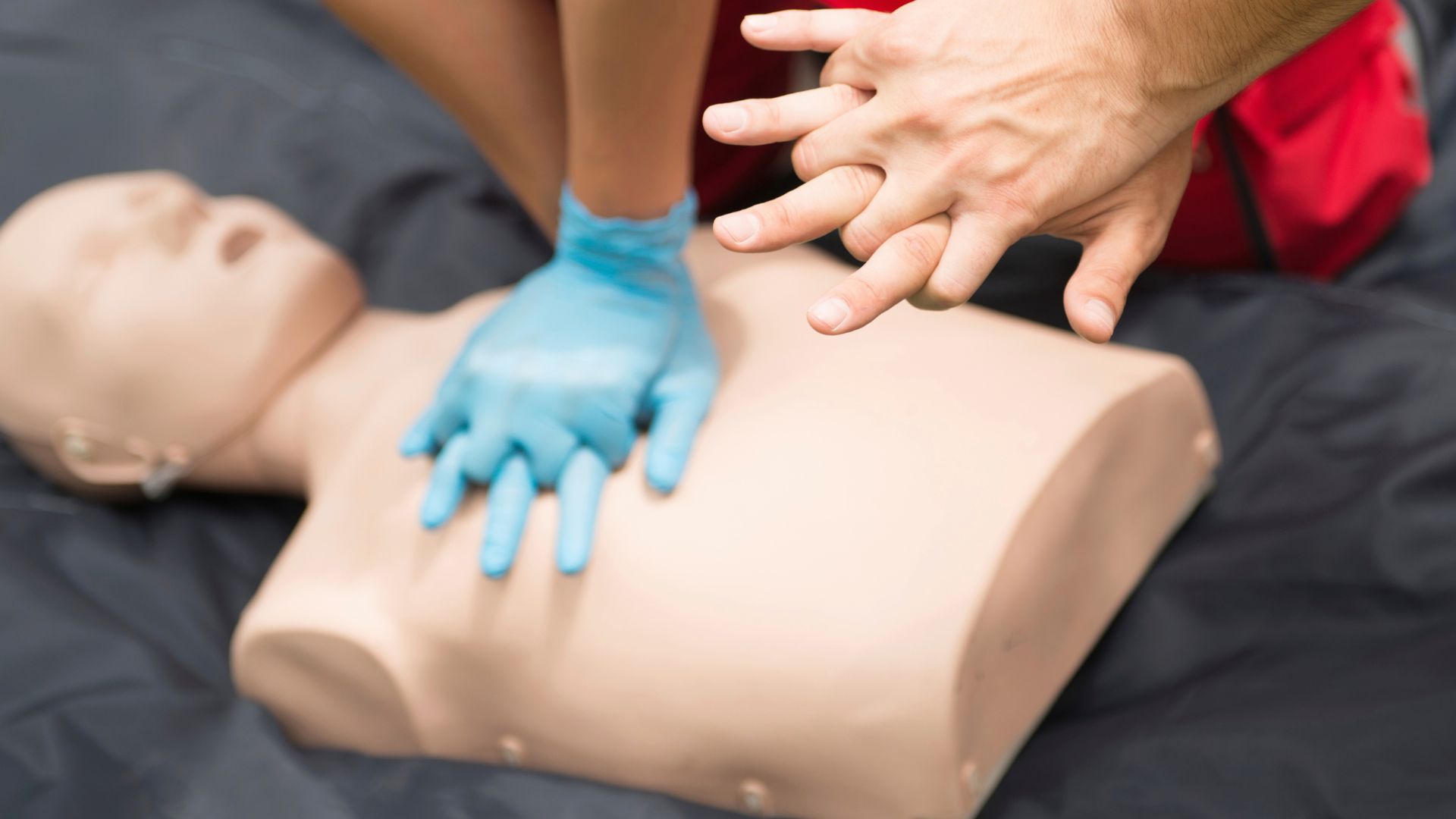
Hands-on CPR classes allow participants to repeatedly practice:
- Chest compressions
- Rescue breathing
- Choking response
- AED operation
- Emergency scene assessment
This practical experience helps build confidence and muscle memory that can make a tremendous difference during a real emergency.
CPR Training Strengthens Restaurant Safety Programs
Many restaurants already emphasize workplace safety through:
- Fire prevention plans
- Food safety procedures
- Slip-and-fall prevention
- Employee safety training
Adding CPR certification to these programs creates an additional layer of preparedness.
Customers and employees alike appreciate businesses that prioritize safety.
CPR Skills Extend Beyond the Restaurant
Although many managers complete CPR training because of work responsibilities, these skills often become valuable in everyday life.
CPR-trained individuals may one day help:
- Family members
- Friends
- Neighbors
- Coworkers
- Complete strangers
Many out-of-hospital cardiac arrests happen at home, making CPR knowledge beneficial well beyond the workplace.
Hands-On Practice Improves Long-Term Retention
Watching videos or reading about CPR can introduce the concepts, but practical experience helps participants retain the information much more effectively.
Hands-on classes allow students to:
- Practice proper compression depth
- Learn correct hand placement
- Perform rescue breaths
- Work through realistic emergency scenarios
- Receive instructor feedback
Programs through CPR Certification help restaurant managers develop the practical skills needed to respond confidently under pressure.
Professional Development Through CPR Certification
Restaurant managers wear many hats, including leader, problem solver, and protector of both guests and employees.
Maintaining CPR certification demonstrates:
- Professional responsibility
- Leadership
- Commitment to safety
- Emergency preparedness
These qualities help strengthen trust among employees, customers, and business owners alike.
Final Thoughts About CPR Certification for NYC Restaurant Managers
Restaurant managers face unique responsibilities every day, and medical emergencies are one challenge that can arise without warning. Choking incidents, allergic reactions, cardiac arrest, and workplace injuries all require immediate action while emergency responders are on the way.
Through CPR Certification, New York City restaurant managers can gain the hands-on skills and confidence needed to perform CPR, assist choking victims, and use an AED during critical situations. Investing in CPR training helps create safer restaurants, protects employees and guests, and strengthens the community one life-saving skill at a time.
Frequently Asked Questions About CPR Certification for NYC Restaurant Managers
Why should restaurant managers learn CPR?
Restaurant managers are often the first leaders available to respond during customer or employee medical emergencies.
Is choking one of the most common restaurant emergencies?
Yes. Choking incidents can occur unexpectedly while guests are eating and require immediate action.
Does CPR training include choking relief?
Yes. Most CPR courses teach age-appropriate choking response techniques for adults, children, and infants.
Can restaurant employees benefit from CPR training too?
Absolutely. CPR training helps create a safer environment for both staff members and customers.
What is an AED?
An Automated External Defibrillator is a portable device that analyzes heart rhythms and can deliver a life-saving shock during certain cardiac emergencies.
Does CPR certification include AED training?
Yes. Most comprehensive CPR courses include hands-on AED instruction.
How long does CPR certification usually last?
Most CPR certifications remain valid for two years before renewal is recommended or required.
Can CPR skills help outside of work?
Yes. CPR training prepares individuals to respond to emergencies involving family members, friends, neighbors, or anyone in the community who may need immediate assistance.