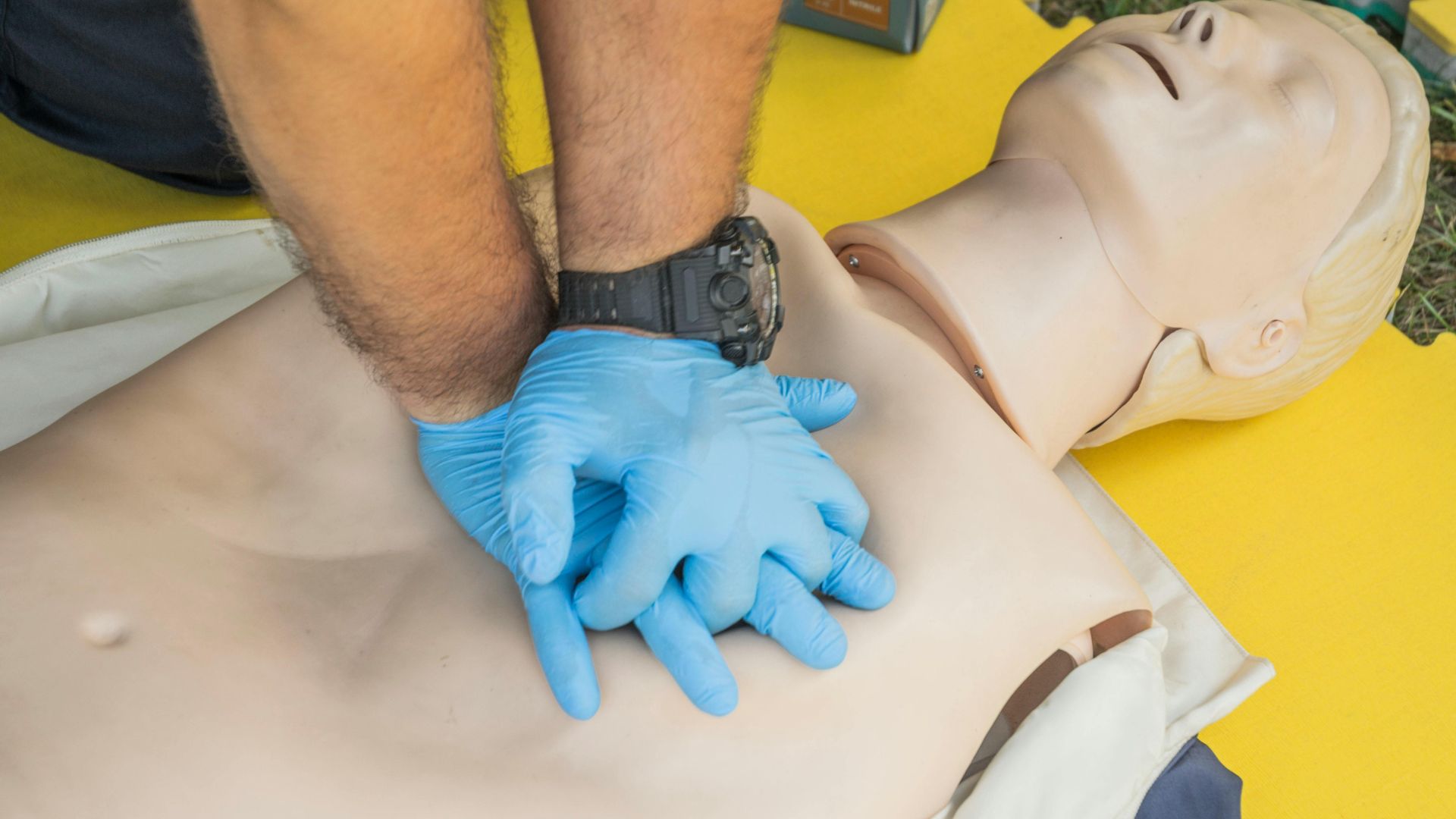
In New York City, high school students are increasingly being introduced to CPR training as part of health education and graduation requirements. For parents and teens, this is more than just another class. It is a life-saving skill that can make a real difference in emergencies at school, at home, or out in the city.
With thousands of students commuting, participating in sports, and spending time in public spaces every day, the ability to respond to emergencies is incredibly valuable. Enrolling in an in-person CPR Certification course ensures that teens are not just learning the basics, but gaining the confidence and hands-on experience needed to act when it matters most.
Is CPR Training Required in NYC High Schools?
New York State has implemented requirements for CPR instruction in schools as part of health education. Many high school students receive at least basic exposure to CPR techniques before graduation.
State education guidelines emphasize that:
- Students should learn hands-only CPR
- Instruction is often included in health or physical education classes
- Schools may provide training using mannequins or demonstration tools
This initiative is designed to increase the number of people who can respond to cardiac emergencies across communities.
However, not all programs provide full certification or hands-on depth, which is why additional training is often recommended.
Why CPR Training for Teens Is So Important
Cardiac emergencies do not only happen to adults. They can occur in schools, during sports, or in public places where teens are present.
Across the United States:
- Over 350,000 cardiac arrests occur outside of hospitals each year
- Many of these happen in public settings where bystanders are present
- Immediate CPR can double or triple survival chances
For teens in NYC, this means they could be in a position to help save a life at any time.
Where Teens Might Encounter Emergencies in NYC
New York City is one of the busiest urban environments in the world. Teens are constantly moving through crowded spaces, which increases the likelihood of witnessing an emergency.
Common situations include:
- School hallways or athletic events
- Subway platforms and public transit
- Parks, gyms, and recreational areas
In these environments, immediate response is critical because emergency services may take several minutes to arrive.
The Difference Between School Training and Full Certification
While many NYC schools provide CPR instruction, there is a difference between basic exposure and full certification.
School-based training often:
- Focuses on awareness and basic technique
- May be shorter in duration
- Does not always include official certification
Full in-person certification courses provide:
- Hands-on practice with feedback
- Real-world scenario training
- Official certification recognized by employers and organizations
This is why many parents choose to supplement school training with a formal CPR Certification course.
Why Hands-On Training Matters for Teens
CPR is not just something you learn by watching. It is a physical skill that requires proper technique and practice.
Hands-on training helps teens:
- Learn correct compression depth and rhythm
- Build muscle memory
- Gain confidence in emergency situations
Without practice, many people hesitate or perform CPR incorrectly.
In-person training ensures teens are truly prepared.
Building Confidence at a Young Age
One of the biggest benefits of CPR training for teens is confidence. Many people hesitate to help in emergencies because they are unsure of what to do.
Training helps teens:
- Stay calm under pressure
- Take initiative in emergencies
- Act quickly without second-guessing
This confidence can carry over into many areas of life, not just emergency situations.
The Role of AEDs in NYC Schools
Many schools and public spaces in NYC are equipped with Automated External Defibrillators (AEDs). These devices are designed to restore a normal heart rhythm during cardiac arrest.
AEDs:
- Provide step-by-step voice instructions
- Are safe and easy to use
- Work best when used alongside CPR
Teaching teens how to use AEDs increases their ability to respond effectively in emergencies.
Why Parents Should Encourage CPR Training
For parents, CPR training provides peace of mind. Knowing that your child has the skills to respond in an emergency adds an extra layer of safety.
Encouraging CPR training helps:
- Prepare teens for real-world situations
- Increase safety at home and in the community
- Build responsibility and awareness
It is one of the most practical skills a teen can learn.
CPR Training and Teen Responsibility
Learning CPR is not just about emergencies. It also teaches responsibility and awareness.
Teens who complete training often:
- Become more aware of their surroundings
- Take safety more seriously
- Feel empowered to help others
This sense of responsibility can have a lasting impact.
Why NYC Needs More CPR-Trained Teens
In a city as large and densely populated as New York City, having more trained individuals can significantly improve emergency outcomes.
When more people know CPR:
- Response times improve
- Survival rates increase
- Communities become safer
Teens are a large and active part of the population, making their training especially valuable.
How CPR Training Benefits Teens Long-Term
CPR training is not just useful in high school. It provides long-term benefits that extend into adulthood.
These include:
- Valuable skills for future jobs
- Requirements for certain careers
- Increased confidence in handling emergencies
Many professions, including healthcare, childcare, and fitness, require CPR certification.
Addressing Common Concerns from Parents
Some parents may worry about whether their teen is ready to handle emergency situations. In reality, CPR training is designed to be accessible and easy to understand.
Programs are structured to:
- Teach step-by-step techniques
- Provide guided practice
- Build confidence gradually
Teens are fully capable of learning and applying these skills.
Why Timing Matters in Emergencies
During cardiac arrest, every minute without CPR reduces survival chances significantly.
Without intervention:
- Brain damage can begin within minutes
- Survival rates drop rapidly
- Delays can lead to severe outcomes
This is why bystander CPR is so important, especially in busy environments like NYC.
How Schools and Families Can Work Together
The best outcomes come when schools and families work together to reinforce CPR training.
Parents can:
- Encourage additional training outside of school
- Discuss emergency scenarios at home
- Practice basic safety awareness
This combined approach helps ensure teens are fully prepared.
The Importance of Practice and Renewal
Even after learning CPR, skills can fade over time. Regular practice and renewal are important to maintain effectiveness.
CPR certification typically needs to be renewed every two years, ensuring that skills stay current and aligned with updated guidelines.
Why In-Person Training Is the Best Choice
While online resources can provide useful information, in-person training offers the most complete preparation.
It provides:
- Hands-on experience
- Real-time feedback
- Greater confidence in emergencies
Choosing an in-person CPR Certification course ensures teens are ready to act, not just aware of what to do.
Final Thoughts on CPR Training for NYC Teens
CPR training is one of the most valuable skills a teen can learn. In a city like New York City, where emergencies can happen anywhere, being prepared is essential.
For parents, encouraging CPR training is an investment in your child’s safety and confidence. For teens, it is an opportunity to gain a skill that can truly make a difference.
By enrolling in an in-person CPR Certification course, teens gain the hands-on experience and confidence needed to respond quickly and effectively. In NYC, that preparation could mean saving a life.
Frequently Asked Questions About CPR Training for Teens
Is CPR training required in NYC high schools?
Many schools provide CPR instruction as part of health education, but full certification may require an additional course.
Can teenagers learn CPR effectively?
Yes, CPR training is designed to be simple and accessible, and teens can perform it effectively.
What is the difference between hands-only CPR and full CPR?
Hands-only CPR focuses on chest compressions, while full CPR includes rescue breaths.
Do teens need certification?
Certification is not always required but is recommended for full training and recognition.
How long does CPR certification last?
CPR certification typically lasts two years before renewal is needed.
Why should parents encourage CPR training?
It prepares teens for emergencies, builds confidence, and increases overall safety.