Sudden cardiac arrest is one of the most critical medical emergencies a person can experience. It can happen without warning and affects people of all ages, backgrounds, and activity levels. In these moments, survival depends not on a single action, but on a sequence of timely responses known as the Chain of Survival. CPR certification plays a central role in this chain, empowering individuals to take immediate action when seconds matter most.
The Chain of Survival outlines the steps that must occur quickly and effectively to give someone the best chance of surviving cardiac arrest. Each link in the chain depends on the strength of the others, and when one link is delayed or missing, survival rates decrease dramatically. CPR certification strengthens one of the most critical links by preparing everyday people to act before professional help arrives.
Understanding how CPR fits into the Chain of Survival highlights why CPR certification is one of the most important skills a person can learn. It transforms bystanders into active responders and helps bridge the gap between collapse and advanced medical care.
What Is the Chain of Survival
The Chain of Survival is a medically recognized framework that describes the essential actions required to respond effectively to sudden cardiac arrest. It emphasizes speed, coordination, and early intervention.
The chain consists of several key steps that work together to support survival. These steps typically include recognizing the emergency, activating emergency medical services, providing early CPR, delivering rapid defibrillation when needed, and ensuring advanced medical care and post event support.
Each step is time sensitive. Delays at any point can reduce the likelihood of survival and increase the risk of long term complications. CPR certification focuses heavily on one of the most impactful stages of the chain, early CPR, which helps sustain life until more advanced care becomes available.
Why Early Action Is Critical
When cardiac arrest occurs, the heart stops pumping blood effectively. Without circulation, oxygen cannot reach the brain and other vital organs. Brain damage can begin within minutes, and survival chances decrease rapidly with every passing second.
Emergency medical services are highly trained, but they are rarely on site at the exact moment an emergency occurs. Even in urban areas, response times can vary due to traffic, distance, or access limitations.
This is where CPR certification becomes essential. Trained individuals can recognize the emergency, call for help, and begin CPR immediately. Early action keeps oxygenated blood circulating and slows the progression of organ damage. CPR does not restart the heart, but it sustains life until defibrillation or advanced care can be provided.
The Role of CPR in the Chain of Survival
CPR is often described as the heartbeat of the Chain of Survival. It is the link that most commonly relies on bystanders rather than professionals.
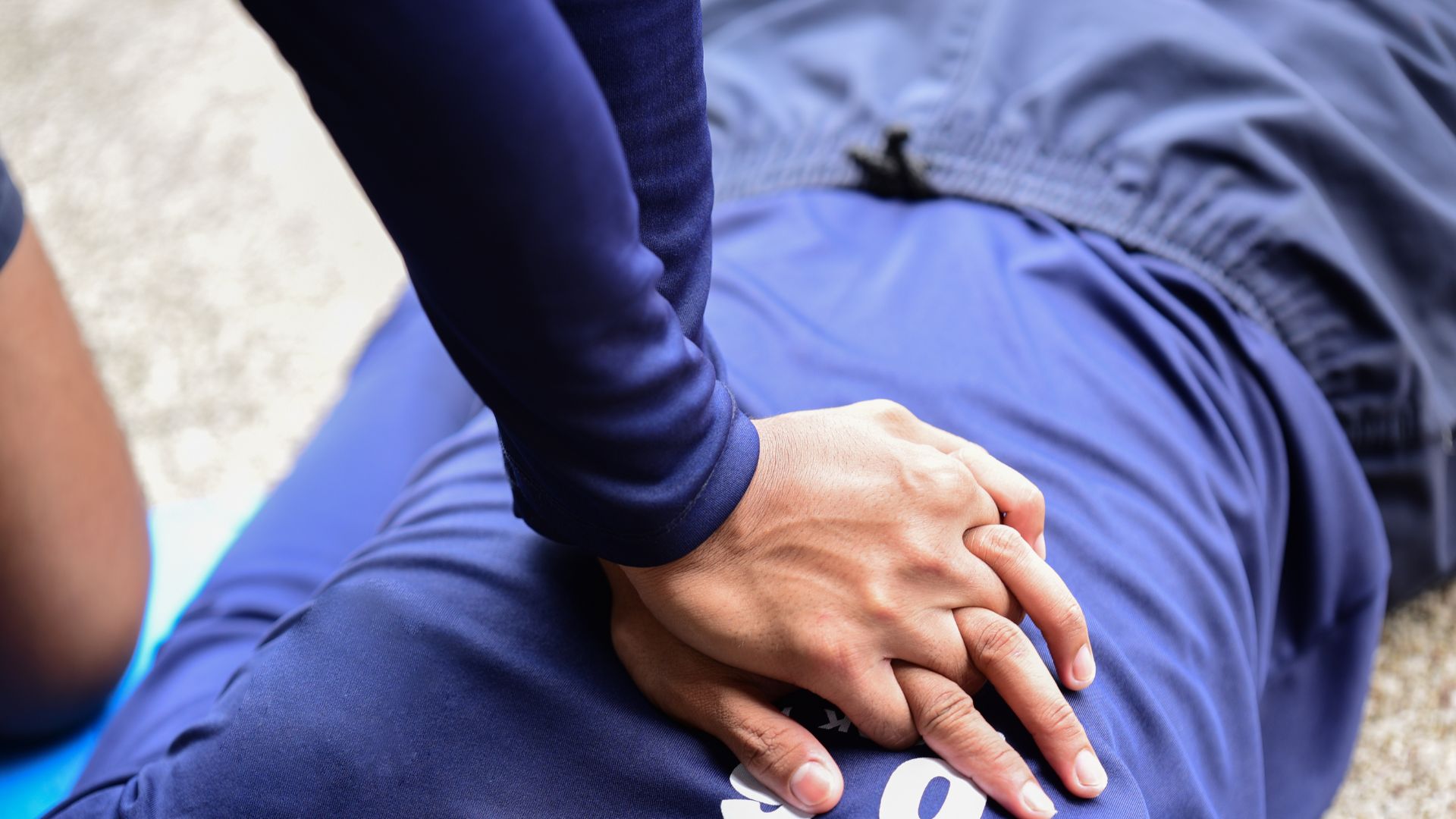
CPR certification teaches individuals how to perform chest compressions at the correct depth and rate, ensuring that blood continues to flow to the brain and heart. This circulation dramatically increases the effectiveness of later interventions, such as defibrillation.
Without CPR, even the fastest arrival of emergency responders may not be enough. Early CPR doubles or even triples survival chances in many cases. CPR certification ensures that more people are capable of providing this critical support when it is needed most.
Recognizing Cardiac Arrest Quickly
The first step in the Chain of Survival is recognizing that a cardiac emergency is occurring. CPR certification trains individuals to identify the key signs of cardiac arrest.
These signs may include sudden collapse, unresponsiveness, and abnormal or absent breathing. In some cases, a person may appear to gasp or make irregular sounds, which can be mistaken for normal breathing. CPR training teaches participants how to distinguish these warning signs and act without delay.
Recognizing cardiac arrest quickly prevents dangerous hesitation. When individuals are unsure, valuable time is lost. CPR certification replaces uncertainty with clarity, allowing responders to act decisively and confidently.
Activating Emergency Medical Services
Once cardiac arrest is recognized, activating emergency medical services is the next critical link in the chain. CPR certification emphasizes the importance of calling emergency services immediately or directing someone else to do so.
Early activation ensures that professional responders are on the way while CPR is being performed. Trained responders learn how to communicate clearly with emergency dispatchers, provide accurate information, and follow instructions that may support ongoing care.
This coordination strengthens the entire Chain of Survival by ensuring that each step is progressing without unnecessary delay.
CPR as the Bridge Between Collapse and Defibrillation
Defibrillation is a powerful tool that can restore a normal heart rhythm in certain types of cardiac arrest. However, defibrillation is most effective when it is delivered quickly and supported by high quality CPR.
CPR certification teaches individuals how to maintain blood flow until a defibrillator becomes available. In many public spaces, automated external defibrillators are accessible, but they are only effective if someone is prepared to use them.
CPR training often includes AED instruction, allowing certified individuals to confidently integrate defibrillation into the response. This seamless transition from CPR to AED use strengthens the Chain of Survival and improves outcomes.
How CPR Certification Improves Survival Outcomes
Survival rates from cardiac arrest vary widely depending on how quickly CPR is initiated. Communities with higher rates of CPR certification consistently see better outcomes.
When more people are trained, the likelihood that a CPR certified individual is nearby increases. This reduces response times and increases the chances that CPR will begin immediately.
CPR certification also improves the quality of CPR performed. Proper hand placement, compression depth, and rhythm are essential for effective circulation. Trained individuals are more likely to deliver CPR correctly, which directly impacts survival.
CPR Certification in Everyday Environments
Cardiac arrest does not only happen in hospitals or during high risk activities. Many incidents occur at home, at work, or in public places where trained medical professionals are not immediately available.
CPR certification prepares individuals to respond in these everyday environments. A family member may collapse at home, a coworker may experience cardiac distress at the office, or a stranger may need help at a store or event.
By understanding CPR’s role in the Chain of Survival, certified individuals recognize that their actions matter regardless of location. This awareness transforms ordinary settings into safer spaces.
The Psychological Impact of CPR Training
Beyond physical skills, CPR certification has a powerful psychological effect. Knowing how to respond during emergencies reduces fear and anxiety.
People who are CPR certified are less likely to freeze or panic. They have practiced the steps, understand the process, and trust their ability to help. This confidence allows them to focus on the task at hand rather than being overwhelmed by stress.
This psychological readiness strengthens the Chain of Survival by ensuring that the human response is immediate and effective.
Community Preparedness and the Chain of Survival
The Chain of Survival is strongest when entire communities are prepared. CPR certification contributes to community wide readiness by increasing the number of trained responders.
Schools, workplaces, gyms, places of worship, and public venues all benefit when staff and members are CPR certified. Each trained individual adds another link of protection within the community.
Communities that invest in CPR training create a shared responsibility for safety. This collective preparedness improves outcomes not just for cardiac emergencies, but for overall emergency response.
CPR Certification and Professional Responsibility
Many professions rely heavily on CPR certification to support safety standards. Teachers, healthcare workers, fitness professionals, security personnel, childcare providers, and first responders are often expected to maintain CPR certification.
In these roles, understanding CPR’s place in the Chain of Survival is part of professional responsibility. Certified professionals are trusted to act quickly and competently when emergencies occur.
Even in professions where CPR certification is not required, obtaining certification demonstrates a commitment to preparedness and care for others.
The Importance of Ongoing CPR Education
The Chain of Survival is based on evolving medical research and best practices. CPR guidelines are updated periodically to reflect new findings and improve effectiveness.
CPR certification includes an expiration period to ensure that skills remain current. Recertification reinforces technique, updates knowledge, and maintains confidence.
Staying current with CPR certification ensures that individuals continue to strengthen the Chain of Survival with the most effective and up to date practices.
How CPR Certification Empowers Bystanders
One of the greatest strengths of the Chain of Survival is its reliance on ordinary people. CPR certification empowers bystanders to take action rather than feeling helpless.
This empowerment changes outcomes. Instead of waiting passively for help, CPR certified individuals become active participants in saving lives. Their actions can mean the difference between life and death.
Understanding CPR’s role in the Chain of Survival reinforces the idea that lifesaving does not begin in an ambulance or hospital. It begins with the people closest to the emergency.
CPR Certification and Long Term Recovery
The Chain of Survival does not end with resuscitation. Early CPR improves not only survival but also recovery quality.
By maintaining blood flow to the brain, CPR reduces the risk of long term neurological damage. Survivors who receive early CPR are more likely to regain normal function and return to their daily lives.
This long term impact highlights why CPR certification is about more than emergency response. It is about preserving quality of life.
Strengthening Every Link Through CPR Certification
While CPR certification focuses primarily on one link in the Chain of Survival, its influence extends across the entire process.
Certified individuals recognize emergencies faster, activate help sooner, perform higher quality CPR, and support smoother transitions to advanced care. Each of these contributions strengthens the chain as a whole.
When CPR certification becomes widespread, the Chain of Survival becomes more reliable and resilient.
Final Thoughts on the Chain of Survival and CPR Certification
The Chain of Survival illustrates how lives are saved through a sequence of timely actions. CPR certification plays a critical role in this chain by empowering individuals to act during the most vulnerable moments of a cardiac emergency.
By understanding CPR’s role, people recognize that their actions matter. Early CPR sustains life, supports defibrillation, and improves recovery outcomes. It transforms bystanders into lifesavers and strengthens community safety.
Investing in CPR certification is an investment in preparedness, confidence, and the ability to protect lives when every second counts.
Frequently Asked Questions
What is the Chain of Survival
The Chain of Survival is a framework that outlines the critical steps needed to respond effectively to sudden cardiac arrest, including early recognition, CPR, defibrillation, and advanced care.
Why is CPR so important in the Chain of Survival
CPR maintains blood flow to the brain and vital organs, increasing survival chances until defibrillation or emergency medical services arrive.
Can CPR certification really make a difference
Yes. Early CPR significantly improves survival rates and reduces the risk of long term complications.
Who should learn CPR
CPR certification is beneficial for everyone, including parents, employees, students, caregivers, and community members.
How often should CPR certification be renewed
CPR certification is typically valid for two years. Recertification ensures skills remain current and effective.