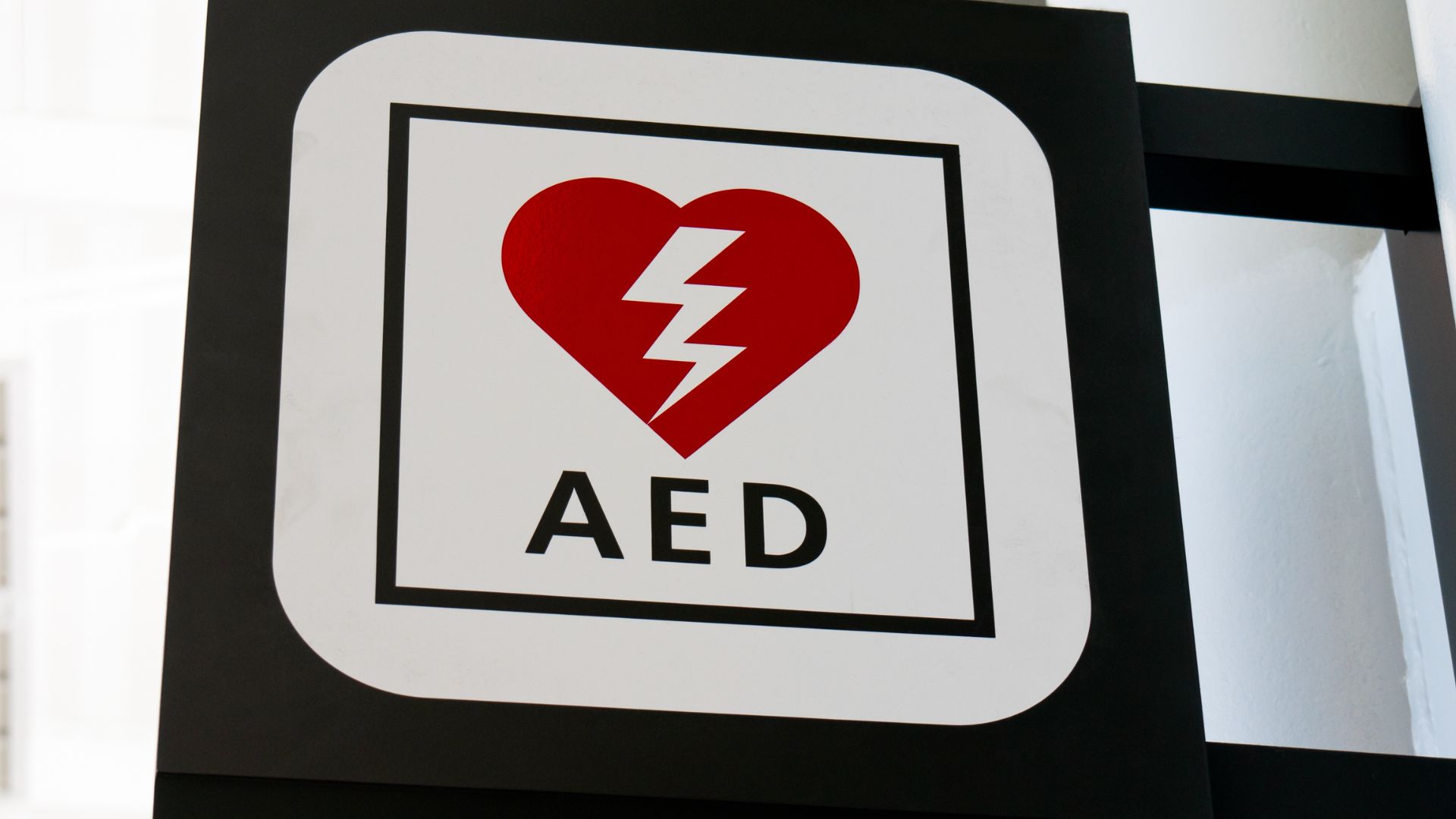
Workplace safety extends beyond preventing slips, falls, and equipment injuries. Medical emergencies, particularly sudden cardiac arrest, can occur in any work environment regardless of industry or employee health. Automated external defibrillators, commonly known as AEDs, play a vital role in emergency preparedness. When paired with CPR certification, AEDs significantly increase survival chances during cardiac emergencies and strengthen overall workplace safety.
Sudden cardiac arrest happens when the heart suddenly stops beating effectively. Without immediate intervention, survival chances decrease rapidly. Emergency medical services may take several minutes to arrive, even in well-populated areas. During this critical window, having AEDs accessible in the workplace and employees trained through CPR certification can mean the difference between life and death.
Understanding the safety benefits of AEDs helps employers create safer environments, protect employees, and demonstrate a commitment to preparedness and wellbeing.
Understanding Sudden Cardiac Arrest in the Workplace
Sudden cardiac arrest can strike without warning. It does not discriminate based on age, fitness level, or job role. While often associated with individuals who have known heart conditions, many cardiac arrests occur in people with no prior symptoms.
In workplace settings, cardiac arrest may happen during physical activity, periods of stress, or even while employees are seated at their desks. When the heart stops pumping blood effectively, oxygen flow to the brain and vital organs is interrupted. Brain damage can begin within minutes, making immediate response essential.
AEDs are designed to address this exact emergency. They analyze heart rhythms and deliver a shock when necessary to restore a normal rhythm. However, AEDs are most effective when used quickly and supported by high-quality CPR.
Why AEDs Are a Critical Workplace Safety Tool
AEDs are designed to be used by non-medical professionals. They provide clear voice prompts that guide users step by step through the process. This accessibility makes AEDs ideal for workplace environments where trained medical staff may not be present.
The primary safety benefit of AEDs is speed. The sooner a defibrillator is used during cardiac arrest, the higher the chance of survival. For every minute without defibrillation, survival chances decrease significantly.
By placing AEDs in the workplace, employers reduce reliance on external emergency response times. Employees can take immediate action while emergency services are on the way, bridging a critical gap in care.
How AEDs and CPR Work Together
AEDs and CPR are most effective when used together. CPR helps maintain blood circulation and oxygen delivery to the brain and heart. AEDs address abnormal heart rhythms that cause sudden cardiac arrest.
CPR certification teaches individuals how to perform chest compressions correctly and how to integrate AED use into the response. When CPR is performed before and after AED use, it increases the effectiveness of defibrillation and improves overall outcomes.
Workplaces that invest in both AEDs and CPR certification create a stronger emergency response system. Employees are not only equipped with the tools but also the knowledge to use them confidently and correctly.
Improving Response Times During Workplace Emergencies
Response time is one of the most important factors in survival during cardiac arrest. Even a brief delay can have serious consequences.
AEDs placed strategically throughout a workplace allow for rapid access. When employees know where AEDs are located and are trained through CPR certification, they can respond without hesitation.
Faster response times lead to improved survival rates and reduce the likelihood of long-term complications. This immediate action provides critical support until emergency medical professionals arrive and take over care.
Enhancing Employee Confidence and Readiness
Medical emergencies can be overwhelming, especially for individuals who are unprepared. AEDs combined with CPR certification help eliminate uncertainty and fear.
Employees who receive CPR training understand how to recognize cardiac arrest, call for help, and use an AED effectively. This preparation builds confidence and reduces panic during emergencies.
Confidence is essential in high-stress situations. Employees who feel capable are more likely to step forward and act quickly, improving outcomes and supporting their coworkers during critical moments.
Creating a Safer Work Environment
Workplace safety is a shared responsibility between employers and employees. AEDs contribute to a safer environment by addressing one of the most serious medical risks that can occur at work.
When employees know that AEDs are available and that colleagues are trained through CPR certification, it fosters a sense of security. This sense of safety can improve morale, reduce anxiety, and support overall employee wellbeing.
A workplace that prioritizes emergency preparedness demonstrates care for its people, which can positively influence employee satisfaction and retention.
AED Placement and Accessibility
The effectiveness of AEDs depends on their accessibility. AEDs should be placed in visible, clearly marked locations that are easy to reach within a short time.
Common placement areas include near entrances, break rooms, conference areas, fitness centers, and high traffic zones. Signage should clearly indicate AED locations so employees can locate them quickly during emergencies.
Regular checks ensure that AEDs are maintained properly, batteries are charged, and pads are within their expiration dates. These steps are essential for ensuring AEDs are ready when needed.
AED Training as Part of Workplace Preparedness
While AEDs are designed to be user friendly, training significantly improves response quality and confidence. CPR certification courses often include AED instruction, teaching employees how to integrate defibrillation into emergency response.
Training reinforces proper technique, safety precautions, and communication during emergencies. Employees learn how to coordinate efforts, manage the scene, and support the victim until emergency services arrive.
Including AED training as part of workplace safety programs strengthens preparedness and ensures that employees are ready to act when emergencies occur.
Reducing Workplace Liability and Risk
From a risk management perspective, AEDs and CPR certification help reduce liability concerns. Employers who take proactive steps to prepare for emergencies demonstrate a commitment to employee safety.
Having AEDs on site and trained personnel available shows due diligence in addressing foreseeable medical risks. This preparedness can be viewed positively by insurance providers, regulatory agencies, and legal entities.
Early intervention with CPR and AED use can also reduce the severity of outcomes, potentially minimizing long term medical costs and associated risks.
AEDs Across Different Workplace Environments
AEDs provide safety benefits across a wide range of workplace settings. Offices, warehouses, manufacturing facilities, schools, gyms, retail locations, and construction sites all face potential medical emergencies.
In physically demanding environments, the risk of cardiac events may be higher due to exertion and heat exposure. In office settings, prolonged stress or sedentary lifestyles can contribute to cardiac risk.
Regardless of industry, AEDs offer a universal safety benefit. When paired with CPR certification, they create a consistent emergency response framework that applies to any workplace.
Supporting a Culture of Health and Safety
AEDs contribute to a broader culture of health and safety. When employers invest in lifesaving equipment and training, it sends a clear message that employee well-being is a priority.
This culture encourages employees to take safety seriously, participate in training, and remain aware of emergency procedures. Over time, these practices become part of daily operations rather than reactive measures.
A strong safety culture supports better outcomes not only during emergencies but also in overall workplace behavior and awareness.
The Role of Leadership in AED Implementation
Leadership plays a critical role in the successful implementation of AED programs. Managers and supervisors help set expectations, promote training, and ensure that emergency protocols are followed.
When leadership actively supports AED placement and CPR certification, employees are more likely to engage and take training seriously. Leadership involvement reinforces the importance of preparedness and accountability.
Clear communication from leadership ensures that employees know where AEDs are located and understand their role during emergencies.
Maintaining AED Programs Over Time
AED programs require ongoing attention to remain effective. Regular inspections, maintenance schedules, and refresher training help ensure readiness.
CPR certification must also be maintained through recertification. Skills can diminish over time, and guidelines may change. Ongoing education ensures employees remain confident and capable.
Workplaces that treat AED programs as long term safety investments rather than one-time initiatives see the greatest benefits.
AEDs and Community Impact
Workplace AED programs often have benefits that extend beyond the office or jobsite. Employees trained through CPR certification may use their skills in public spaces, at home, or during community events.
By increasing the number of trained responders, AED programs contribute to safer communities overall. Employees become more aware of cardiac emergencies and are more likely to act when needed.
This broader impact enhances the value of workplace AED initiatives and reinforces their role in public safety.
Integrating AEDs Into Emergency Action Plans
AEDs should be part of a comprehensive emergency action plan. Employees should know how AED response fits into existing protocols for medical emergencies.
Emergency plans should outline steps for recognizing cardiac arrest, calling emergency services, retrieving the AED, performing CPR, and supporting responders upon arrival.
Practicing these plans through drills and training sessions ensures that employees can respond smoothly and effectively under pressure.
Long Term Benefits of AED Investment
The long term benefits of AEDs go beyond emergency response. They contribute to employee confidence, organizational resilience, and a strong safety reputation.
Workplaces that invest in AEDs and CPR certification demonstrate leadership in employee care. This investment can improve recruitment, retention, and public perception.
Ultimately, AEDs represent a commitment to protecting lives and preparing for the unexpected.
Final Thoughts on the Safety Benefits of AEDs in the Workplace
AEDs are one of the most effective tools for improving workplace safety during cardiac emergencies. When combined with CPR certification, they empower employees to act quickly, confidently, and effectively when every second counts.
By improving response times, increasing survival chances, and supporting a culture of preparedness, AEDs play a vital role in protecting employees and strengthening emergency response.
Investing in AEDs and CPR certification is an investment in safety, responsibility, and the well-being of everyone in the workplace.
Frequently Asked Questions
What does an AED do
An AED analyzes heart rhythm and delivers a shock when necessary to help restore a normal heartbeat during sudden cardiac arrest.
Are AEDs safe for employees to use
Yes. AEDs are designed to be used by non-medical professionals and provide clear instructions during use.
Should employees be trained to use AEDs
Training through CPR certification improves confidence and ensures proper integration of AED use during emergencies.
Where should AEDs be placed in the workplace
AEDs should be placed in visible, easily accessible areas with clear signage and minimal barriers.
How often should AEDs be maintained
AEDs should be inspected regularly to ensure batteries and pads are functional and up to date.