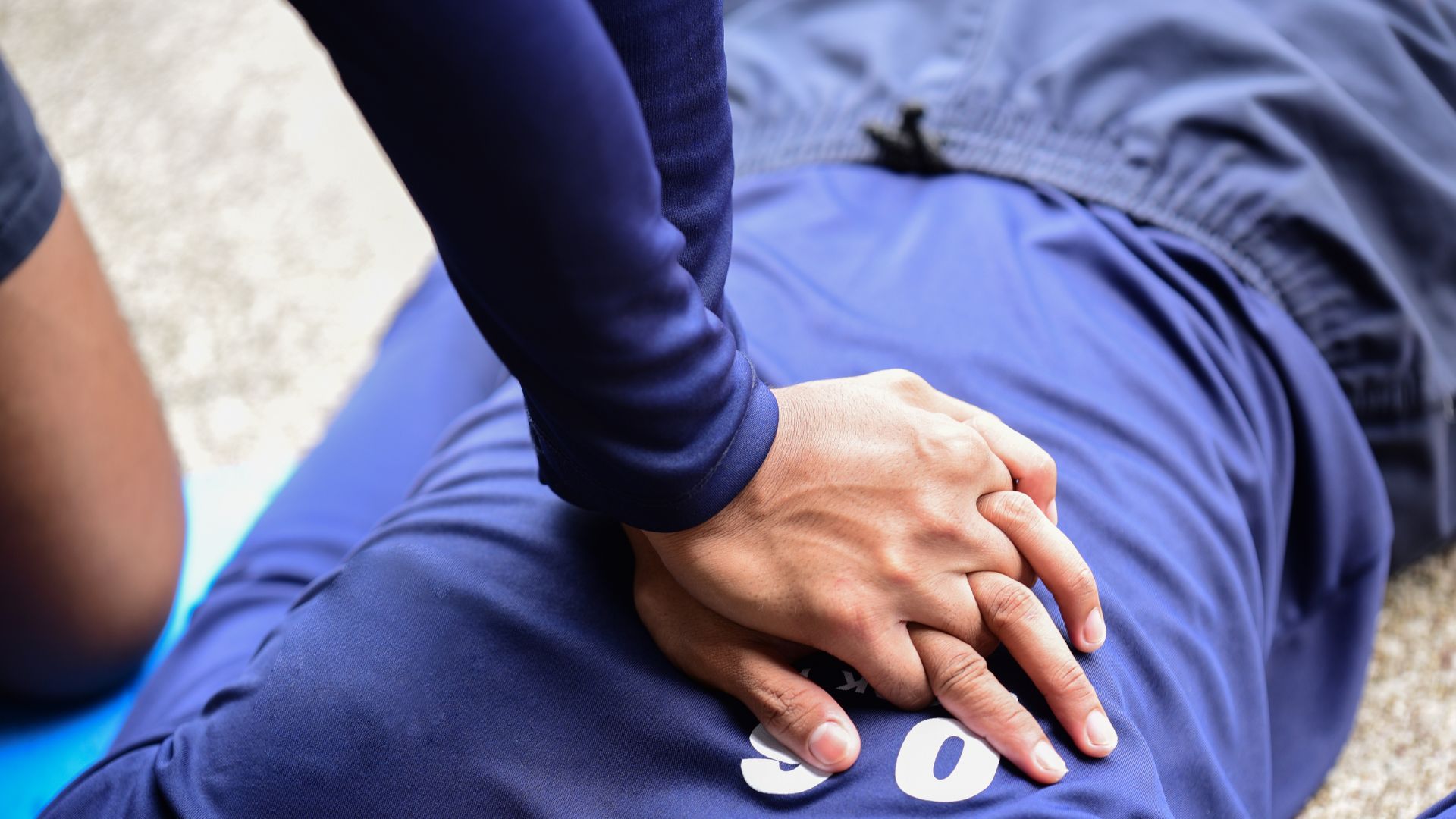
Many people view CPR renewal as a routine task they must complete every few years. For professionals in healthcare, education, childcare, fitness, and public service, recertification is often required to maintain employment or meet industry standards. However, CPR recertification serves a far more important purpose than simply checking a box. Renewing CPR Certification ensures that lifesaving skills remain accurate, effective, and ready to use when emergencies occur.
In a densely populated city like New York City, emergencies can happen in offices, apartments, restaurants, subway stations, parks, or gyms at any moment. When someone experiences sudden cardiac arrest or a breathing emergency, immediate action from trained bystanders can significantly improve survival chances. Recertification training reinforces critical skills and helps individuals stay prepared to respond quickly in these situations.
CPR techniques evolve as medical research improves, and refresher courses help ensure that participants follow the most current safety guidelines.
Why CPR Skills Need Regular Refreshing
CPR is a hands on skill that requires both knowledge and muscle memory. While people may remember the basic concept of CPR, performing chest compressions correctly during a real emergency can be challenging without regular practice.
Over time, individuals who have completed CPR training may forget important details such as compression depth, rhythm, or the correct sequence of emergency steps. Recertification helps refresh these skills so that they remain second nature.
During a recertification course, participants review key techniques including:
- Recognizing cardiac arrest symptoms
- Performing chest compressions at the correct depth
- Maintaining the correct compression rhythm
- Delivering rescue breaths when necessary
- Coordinating CPR with AED use
Maintaining CPR Certification through regular renewal helps ensure that responders remain confident and capable during emergencies.
Updated Guidelines and Best Practices
Medical organizations periodically update CPR guidelines based on new research and improved understanding of cardiac emergencies. These updates are designed to increase survival rates and improve the effectiveness of CPR.
For example, changes in compression depth, breathing techniques, or AED usage may occur as medical experts refine their recommendations. Recertification courses introduce these updates and explain how to apply them in real emergency situations.
In a city like NYC where millions of people interact every day, ensuring that trained individuals follow the most current CPR guidelines can help strengthen community safety.
By renewing CPR Certification, participants stay aligned with the latest lifesaving standards.
Confidence in High Pressure Situations
Responding to a medical emergency can be stressful. Even individuals who have previous training may hesitate if they feel unsure about their skills.
Recertification courses rebuild confidence by allowing participants to practice CPR techniques again in a structured environment. Hands on practice with mannequins helps reinforce the correct compression rhythm and technique.
These sessions allow participants to ask questions, review emergency scenarios, and refresh their understanding of CPR procedures.
Confidence plays an important role during emergencies. When responders feel prepared, they are more likely to take immediate action rather than hesitate.
Completing CPR Certification renewal helps individuals stay mentally and physically prepared to respond during high pressure situations.
CPR Recertification for Workplace Safety
Many workplaces in New York City require employees to maintain CPR certification as part of their safety programs. Offices, gyms, schools, childcare facilities, and healthcare environments often depend on trained staff members to respond during emergencies.
When employees renew their CPR certification regularly, workplaces benefit from having multiple trained responders available. This increases the likelihood that someone nearby can begin lifesaving care if a colleague, client, or visitor experiences a medical emergency.
Businesses that prioritize CPR training help create safer environments for employees and the public.
Maintaining CPR Certification also demonstrates professionalism and commitment to workplace safety.
The Role of AED Training During Recertification
Automated external defibrillators are critical tools used during cardiac emergencies. These devices analyze heart rhythms and deliver electrical shocks when necessary to restore normal heart function.
Many public locations throughout New York City have AED devices available, including office buildings, subway stations, fitness centers, and schools.
Recertification courses often include instruction on how to recognize cardiac arrest and use AED equipment safely. Participants review how to:
- Locate and activate AED devices
- Attach electrode pads properly
- Follow the device’s voice prompts
- Continue CPR between shocks
Understanding how CPR and AED devices work together greatly improves survival outcomes during cardiac arrest.
Individuals who maintain CPR Certification through regular renewal remain prepared to use these devices effectively.
Protecting Family and Community Members
While CPR certification is often required for professional reasons, its benefits extend far beyond the workplace. Many cardiac emergencies occur in homes, public spaces, or social environments.
Being trained in CPR means being prepared to help friends, family members, or strangers during emergencies. In a large city like NYC, people encounter crowded environments every day where emergencies can occur.
Having more trained individuals within the community increases the chances that someone nearby can provide immediate assistance.
Renewing CPR Certification helps ensure that these lifesaving skills remain sharp and ready to use whenever they are needed.
CPR Training Supports Public Safety in NYC
New York City is home to millions of residents and receives millions of visitors each year. Public spaces such as parks, transit systems, entertainment venues, and workplaces are often filled with large groups of people.
When cardiac emergencies occur in crowded environments, trained bystanders play an important role in providing immediate care. Emergency medical services respond quickly, but the first few minutes before they arrive are extremely important.
By maintaining CPR certification, residents contribute to a safer community where more people are capable of helping during emergencies.
Encouraging CPR recertification helps ensure that lifesaving knowledge remains widespread throughout the city.
The Value of Lifelong Emergency Preparedness
CPR training is not something that should be learned once and forgotten. Emergencies can happen at any stage of life, and maintaining these skills ensures that individuals remain ready to respond.
Recertification courses reinforce the importance of preparedness and encourage participants to continue learning about safety and emergency response.
For many people, renewing their CPR certification becomes a regular part of maintaining professional skills and personal responsibility.
Completing CPR Certification renewal ensures that lifesaving knowledge remains current and effective.
Final Thoughts on CPR Recertification in NYC
CPR recertification is far more than a simple requirement. It is an opportunity to refresh lifesaving skills, learn updated guidelines, and rebuild confidence in responding to emergencies. Renewing CPR Certification ensures that individuals remain prepared to recognize cardiac arrest and provide immediate assistance when every second counts.
In a fast paced and densely populated city like New York City, having trained responders nearby can make a critical difference during medical emergencies. People who maintain CPR certification help strengthen community safety and increase the chances of survival for those experiencing cardiac arrest.
By treating CPR recertification as an essential skill rather than just a requirement, individuals can continue playing an important role in protecting the lives of others.
Frequently Asked Questions
How often do you need CPR recertification?
Most CPR certifications are valid for two years before participants must complete a recertification course.
Is CPR recertification different from the initial course?
Recertification courses review essential CPR techniques and introduce updated guidelines while reinforcing hands on practice.
Why is CPR recertification important?
Renewing CPR certification ensures that individuals maintain accurate lifesaving skills and remain confident responding during emergencies.
Do CPR recertification courses include AED training?
Yes. Many recertification courses review how to recognize cardiac arrest and safely use automated external defibrillators during emergencies.